



What Is Equipment Qualification in the Pharmaceutical Industry? A Complete Guide
10 Nov, 2025
Introduction
Do you know how the machines and tools in pharmaceutical manufacturing work?
One thing is for sure: the machines and tools used in pharmaceutical manufacturing must work the way they are expected to.
If they do not work as expected, unsafe products will be manufactured, and there will be problems with regulators.
So to make sure that all the equipment works in the right way, equipment qualification is used. It is a way to check and ensure that the equipment that is installed in the place is correct and works properly.
In this article, I will explain to you what equipment qualification is and will tell you about simple tips to make this process easier and effective.
What Is Equipment Qualification (EQ)?
Here, the question is, what is equipment qualification? Let me tell you in a simple way. This process is used to check if your equipment is working the way it is supposed to work and if it is safe.
This process is done in steps, and you have to keep documentation for each step to prove that your equipment works properly.
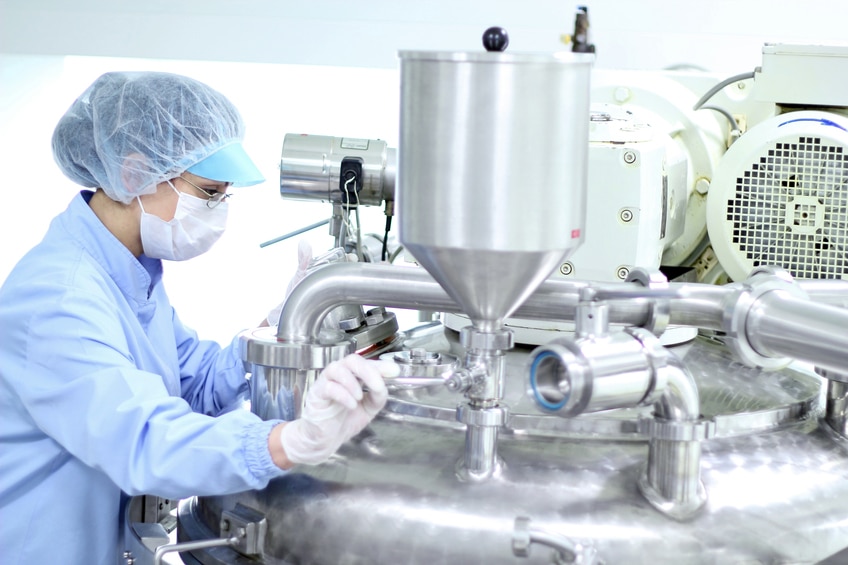
Let’s think about a situation. Suppose that you have installed a new machine that fills bottles with liquid medicine.
You will want to be sure that it feels the right amount every time and does not leak. You can do this with the help of EQ.
This is not just an internal practice. Regulators like the FDA, EMA, and WHO require all companies to follow this process and maintain clear records that show your equipment is working the way it should.
The Four Phases of Qualification
Equipment Qualification has four steps:
1. Design Qualification (DQ)
Before you buy the equipment, you check if its design is what you require. This checking of the design is called design qualification.
Let me explain. Think that you need a machine that sterilises tools. DQ will help you choose a model that fits your space and has the right safety features.
2. Installation Qualification (IQ)
After your equipment arrives, the next step is to install it. While installing, you have to check the power supply, water connections, software versions, manuals, and any calibration certificates.
IQ makes sure your new system is set up correctly.
3. Operational Qualification (OQ)
When your equipment is installed, you have to test it. This process of testing the equipment is called operational qualification. This process checks if the machine works correctly at different settings and speeds.
4. Performance Qualification (PQ)
The last step is performance qualification. In this process, you have to run your equipment using the material for production under real production conditions. This step checks if the equipment works fine and performs well.
If your results are stable and within limits, that is your proof that your equipment is ready for routine use.
Simple View of IQ, OQ, PQ
| Step | What It Checks | What You Do | Real-Life Example |
| DQ | Does the design fit your needs? | Review specs before buying | Choose the right sterilizer |
| IQ | Was it installed correctly? | Check setup and utilities | Confirm wiring and manuals |
| OQ | Does it work properly? | Run tests at different settings | Run the centrifuge at full speed |
| PQ | Can it do the job daily? | Run real batches and check results | Sterilize full loads reliably |
Why Equipment Qualification Matters
Let’s understand why equipment qualification matters. When the equipment is not properly qualified, many big problems can happen.
There can be a poor quality batch or a product recall. And in pharmaceuticals, it is considered a serious compliance issue.
Best Practices and Common Pitfalls
Here, I have mentioned some best practices and common problems related to equipment qualification:
Good Practices
1. Focus on important features: Your first step should be focusing on the important features of your equipment. Identify the important features in your equipment and test them first, as your product quality depends on them.
2. Use vendor data wisely: If the manufacturer has performed Factory Acceptance Tests (FAT) or Site Acceptance Tests (SAT), then you don’t need to do the tests yourself. Use those test results where applicable.
3. Rely on templates and checklists: I suggest using templates and checklists. If you have standard forms for DQ, IQ, OQ, and PQ, it will help you save a lot of time and prevent errors.
4. Make it a team effort: Working as a team is really important. Involve engineering, production, and maintenance teams, too, because each one of these has a different perspective that can help catch issues early.
5. Track everything: Every test, observation, and result should trace back to a specific requirement.
Common Mistakes
1. Avoid saying things like the machine runs well.” Instead, set measurable criteria. For example, “The machine maintains 100 ± 2 °C for 30 minutes.”
2. Do not use uncalibrated instruments during qualification because small errors can lead to incorrect conclusions.
3. If the equipment is repaired or modified, test it again. When you repair or modify the equipment, its conditions change, and its performance can too.
4. Qualification requires technical understanding and documentation skills. Make sure everyone in your team knows the correct procedures.
Trends in Equipment Qualification: Going Digital
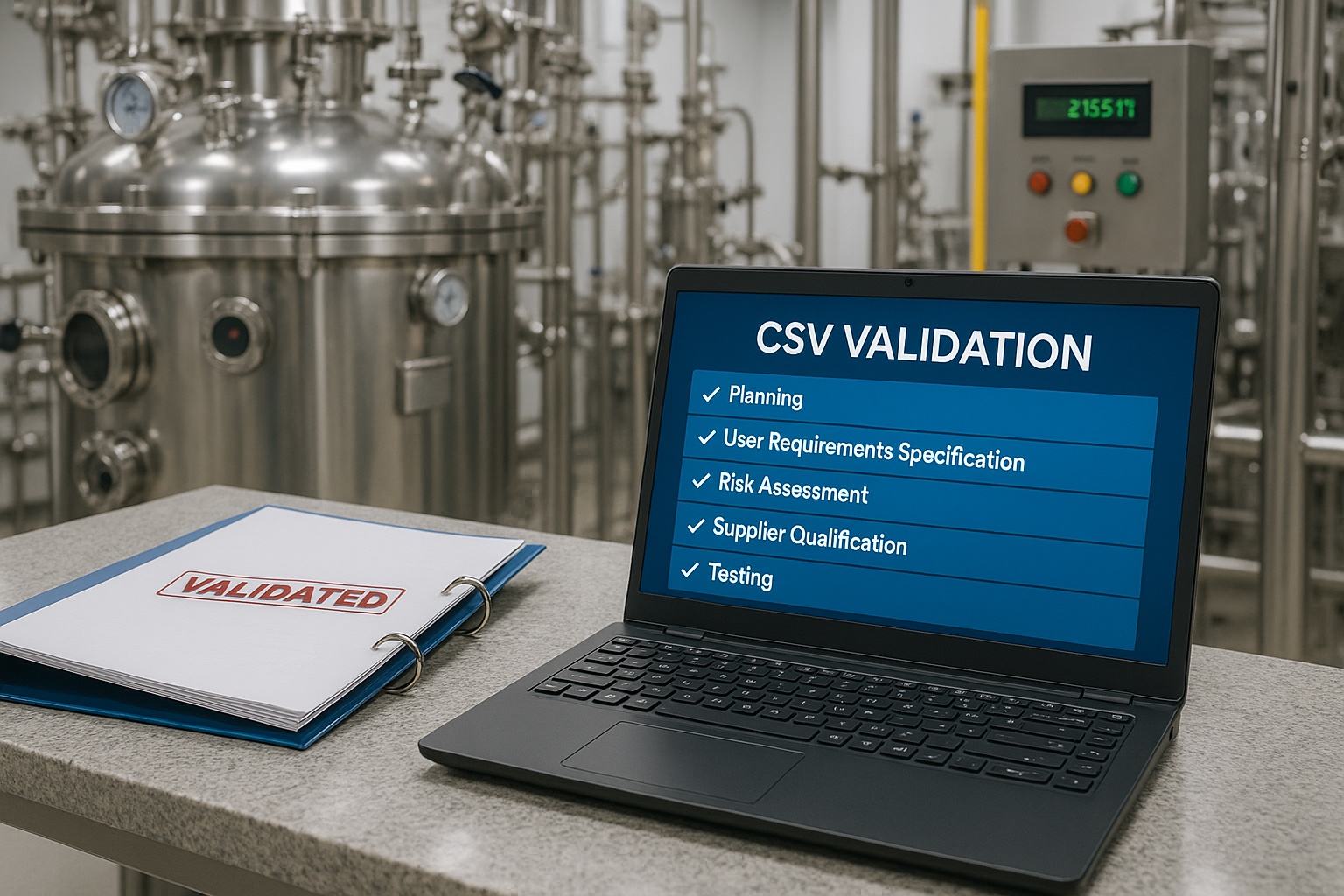
EQ is changing. Companies are now using digital tools to do validation faster and with fewer errors
| Trend | What It Means | Why It Helps |
| Paperless Validation | Everything is done digitally | Easier tracking and faster reviews |
| Digital Twins | Use software to test before real installation | Avoid problems early |
| Linked Maintenance | Connect EQ to calibration and maintenance systems | Stay on schedule with re-testing |
Conclusion
In the end, I will conclude this article by saying that equipment qualification might sound like a lengthy process, but it is very important.
When you take the time to perform the equipment qualification process, you’re making sure that your products are safe and reliable.
Next time, you think of performing equipment qualification, follow the steps one by one and keep correct documentation for each stage.
You need to build proof that your equipment is working correctly and in the way it should, because when regulators want to check your equipment, this paperwork will become your strongest defence.
If you need help writing protocols or moving to digital EQ, check out our tools and resources at HelpWithValidation.com.