
Cleaning Validation in the Pharmaceutical Industry: Ensuring Every Batch Starts Clean
06 Nov, 2025
Introduction
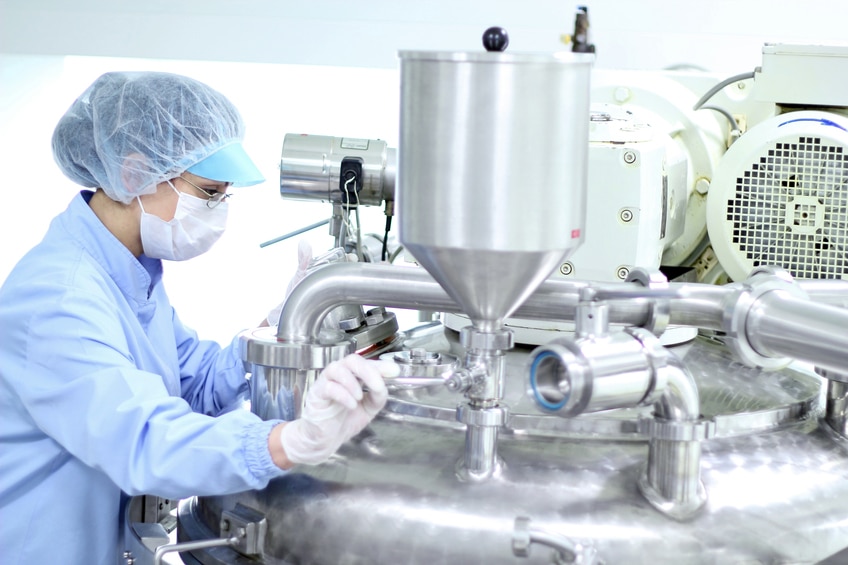
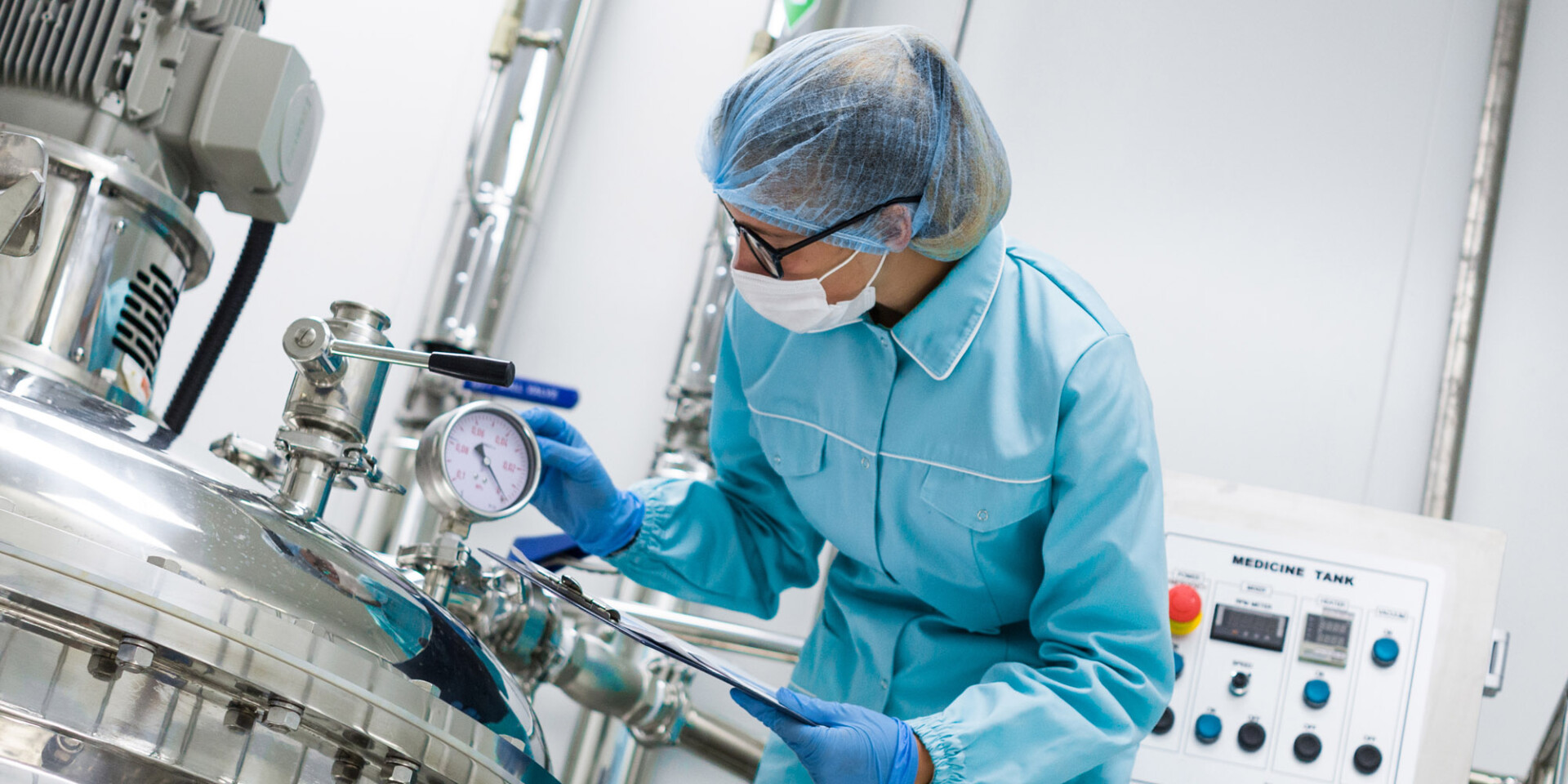
When we think about pharmaceutical manufacturing, it’s very common to assume that the labs must be spotless. We think that all equipment must be very clean, and there must be people in cleanroom suits doing their work.
But, in pharma, just looking clean is not enough. Even a few invisible particles left behind from the previous batch, or just a trace of an active ingredient left, can change what goes into the next product.
To make sure no such incident happens, cleaning validation exists. This process is a scientific way of making sure that all equipment and the surface are free from any contamination.
This process is a very important part of Good Manufacturing Practice (GMP). In fact, the FDA, EMA, and WHO take it seriously. They require manufacturers to show evidence that their cleaning process is safe and works well.
Let’s go through this article and understand what cleaning validation is and why it is important.
Why Cleaning Validation Matters
Cleaning validation is important because even the smallest contamination can put the entire product safety at risk.
A few traces of an active ingredient can cause cross-contamination.
Leftover cleaning agents can react with the next product and change its chemical composition.
There is also a chance of microbes building up between cleaning cycles. These microbes multiply fast and get into the next batch.
There have been incidents like this:
- Cholestyramine Recall (1988): Here, drug batches were contaminated because the solvent drums used earlier for pesticides weren’t cleaned properly.
- Penicillin Carryover Cases: Even microscopic traces of penicillin have caused allergic reactions in sensitive patients. These cases became so significant that regulators now require either dedicated equipment or cleaning levels so thorough that there’s no detectable residue at all.
Global Regulatory Expectations
| Agency/Region | Guideline Reference | Key Expectation |
| FDA (USA) | 21 CFR 211.67 | Documented cleaning procedures and validation evidence |
| EMA (Europe) | EU GMP Annex 15, HBEL/PDE (2014) | Science-based residue limits using toxicological data |
| WHO / PIC/S | GMP Annex on Validation | Lifecycle validation and periodic re-validation |
| ISPE / PDA | Technical Reports 29 & 49 | Practical sampling, risk-based grouping, and data trending |
Building a Robust Cleaning Validation Program
1. Validation Protocol
Every cleaning validation program starts with a written protocol:
- The scope and objectives of the validation
- The equipment involved
- The cleaning method (manual or automated systems like CIP/SIP)
- The sampling plan and analytical methods to use
- The acceptance criteria that define what “clean” really means
2. Trained Personnel
Only trained operators should perform cleaning and sampling. The thing is that missing any step can lead to contamination that can go unnoticed.
3. Equipment Design
You need to identify the hard-to-clean areas, like the gaskets, impellers, and spray balls. These are the places where residue remains.
4. Cleaning Agents
The cleaning agent you use should be free-rinsing, non-reactive, and easy to remove. But you also have to make sure that the detergent is also cleaned well after cleaning.
5. Sampling Methods
Most facilities use a combination of methods:
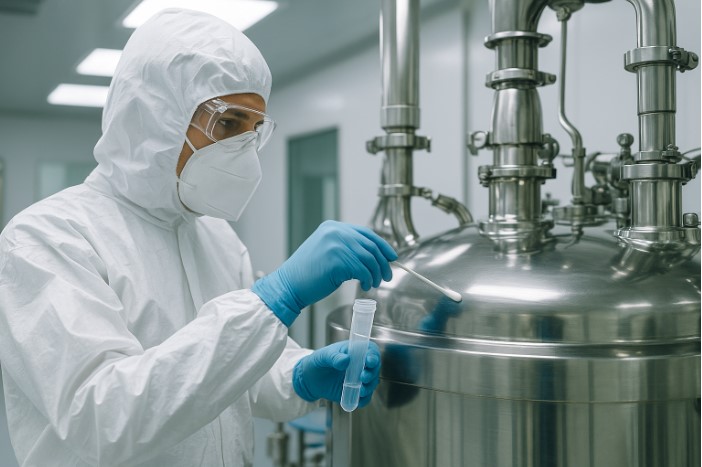
- Swab sampling: For direct residue recovery on critical surfaces
- Rinse sampling: It is for larger or harder-to-reach areas
| Sampling Method | Best For | Detection Limit |
| Swab Sampling | Localized residues | High (µg/cm² range) |
| Rinse Sampling | Internal piping/vessels | Moderate (mg/L range) |
| Visual Inspection | Quick pre-check | Approx. 1–4 µg/cm² visible threshold |
6. Analytical Techniques
For analytical checking, different tools are used depending on the kind of residue you’re looking for:
- HPLC/UV: It detects specific active ingredients or cleaning agents.
- TOC (Total Organic Carbon): This one measures the total amount of organic carbon in a sample and makes it sensitive to any kind of organic residue, not just the actives.
- LAL (Endotoxin Test): It is used to detect pyrogenic or microbial contamination, especially critical for sterile manufacturing lines.
7. Hold Time Validation
Determine Dirty Hold Time (DHT): How long equipment can sit unclean. Clean Hold Time (CHT): It is the time for which cleaned equipment remains safe before reuse.
Both studies prevent microbial growth or residue hardening between processes.
Setting Acceptance Criteria
| Criterion Type | Traditional Limit | Modern (Health-Based) Limit |
| Dose-Based | ≤ 0.1 % of the previous product dose | Derived from toxicological PDE/HBEL |
| Concentration-Based | ≤ 10 ppm in the next product | PDE-based MACO calculation |
| Visual Cleanliness | No visible residue | Validated visual residue limit (VRL) |
| Cleaning Agent Residues | None detected | Limit based on manufacturer’s tox data |
Lifecycle Maintenance and Continuous Verification
Cleaning validation doesn’t stop after three successful runs. It’s a lifecycle process that gets integrated into your site’s Contamination Control Strategy (CCS):
Design → Validate → Monitor → Reassess → Improve
You need to keep an eye on swab and TOC trends to find any issues early.
Revalidate whenever there’s a change in product mix, cleaning agent, or equipment.
Use risk-based grouping to handle multiple products efficiently.
And also, keep your documentation secure. Missing data is one of the most common reasons the FDA issues citations.
Conclusion
I think Cleaning validation is a promise that every product leaving the facility is safe for the person who’s going to take it.
You just have to use sensitive analytical methods and regularly review the process. That’s how manufacturers make sure that every piece of equipment starts clean and every batch stays safe.
In today’s GMP world, it’s not enough to just follow the rules. You have to prove that your process works.
Real cleaning validation means protecting patients and earning trust.